

Feeling heavy, puffy, or sluggish after sitting at a desk, travelling, exercising, or spending a long day in Dubai? A common question is: does lymphatic drainage massage improve circulation? The answer is nuanced. Manual lymphatic drainage (MLD) is primarily designed to encourage lymph movement and manage fluid accumulation, but research suggests it may also support some aspects of venous function and circulation-related symptoms in selected people.
Does Lymphatic Drainage Massage Improve Circulation?
The lymphatic system and circulatory system are different, but they work closely together. Blood vessels deliver oxygen and nutrients throughout the body, while the lymphatic system helps return excess fluid and proteins from tissues back toward the circulation.
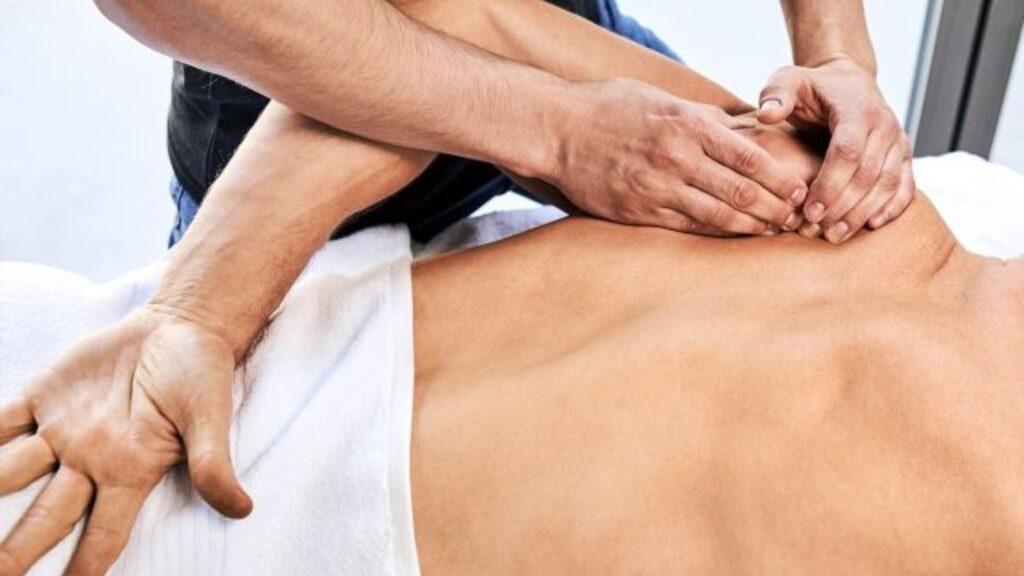
A gentle lymphatic drainage massage at home uses light, rhythmic techniques rather than the deeper pressure associated with sports or deep tissue massage. The goal is to encourage lymph flow, support fluid drainage, and reduce excessive tissue swelling.
That distinction matters. MLD should not be promoted as a treatment that “cleans blocked arteries” or replaces medical treatment for poor circulation. Instead, it may be useful when sluggish fluid movement, edema, or certain venous symptoms contribute to heaviness and discomfort.
What Does the Research Say?
A randomized controlled trial involving 41 people with chronic venous insufficiency examined 10 lower-limb MLD sessions over four weeks. The researchers found improvements in symptoms including fatigue, heaviness, venous edema, disease severity, and pain-related quality of life. However, MLD did not significantly change leg volume, ankle strength, or ankle range of motion.
This is an important expert-level distinction: improved comfort and reduced edema are not necessarily the same as dramatically increasing arterial blood flow.
More recent research has also investigated venous hemodynamic. A 2025 study of people with chronic venous insufficiency found increased venous blood flow alongside improvements in several clinical measures during a six-week program involving MLD, although adding aerobic exercise did not produce superior results over MLD alone.
How Can Lymphatic Drainage Support Healthy Circulation?
Think of circulation support as a three-part process:
1. Reduce excess fluid: When fluid accumulates in tissues, the affected area can feel swollen, tight, or heavy. Supporting lymphatic drainage may help manage this fluid in appropriate cases.
2. Encourage lymph movement: Gentle manual techniques are directed along lymphatic pathways. This differs significantly from vigorous muscle-focused massage.
3. Improve comfort and mobility: When swelling and heaviness decrease, everyday movement may become easier. Walking and muscle activity themselves are important contributors to healthy venous return.
This is why a professional therapist should assess the reason behind swelling rather than automatically treating every case as a simple circulation problem.
What Are the Possible Benefits Lymphatic Drainage at Home?
For suitable clients, a professionally performed session may support:
Lymphatic flow.
Venous circulation support.
Fluid retention management.
Reduced limb heaviness.
Less swelling and edema.
Post-exercise recovery.
Relaxation and stress reduction.
Comfortable movement.
Better body awareness.
However, results vary depending on the underlying cause. A healthy person seeking relaxation has a very different situation from someone with chronic venous disease, lymphedema, recent surgery, or unexplained swelling.
A Useful Dubai Example
Imagine someone working remotely in Business Bay who spends eight hours sitting, followed by a long commute or evening flight. By the end of the day, the legs may feel heavy and mildly swollen.
For that person, a gentle wellness session combined with regular walking, hydration, movement breaks, and appropriate lifestyle habits may provide comfort.
Someone with persistent unilateral swelling, pain, redness, or sudden changes needs medical assessment instead of simply booking a massage.
Real Case Study: What Experts Learned
A published case study illustrates why professional screening matters. A 69-year-old woman with significant bilateral lower-limb edema received six sessions of manual lymphatic drainage alongside remedial exercises and compression wrapping. Her edema volume decreased by approximately 4 litres over three weeks.
However, she also developed marked fatigue and shortness of breath. Treatment was stopped and she was referred back to her physician for cardiac evaluation. The report emphasizes the importance of identifying underlying medical conditions before beginning lymphatic treatment.
This case demonstrates an important principle: Less swelling does not automatically mean the treatment is appropriate for everyone. Safety assessment comes first.
Who May Consider Lymphatic Drainage Massage at Home?
A qualified therapist may consider this approach for people experiencing:
Mild fluid retention.
Feelings of leg heaviness.
Certain forms of edema.
Selected venous-related symptoms.
Recovery situations where lymphatic support has been recommended.
Wellness and relaxation goals.
People with diagnosed vascular or lymphatic disorders should follow advice from their healthcare professional and use appropriately trained practitioners.
Those with unexplained swelling, suspected blood clots, active infection, significant heart problems, or sudden circulation changes should seek medical advice before massage.
Does Lymphatic Drainage Massage Improve Circulation Long Term?
Does lymphatic drainage massage improve blood circulation permanently? There is no strong evidence that a massage session permanently changes circulation.
Its potential benefits are better understood as supportive and situation-dependent. Research on MLD remains mixed, particularly for lymph edema, and systematic reviews have reported conflicting findings and limitations in study quality.
For long-term cardiovascular and circulatory health, regular physical activity, appropriate weight management, hydration, sleep, and medical care when required remain far more important.
How Often Should You Get a Session?
There is no universal schedule.
For general wellness, some people may prefer occasional sessions based on how their body feels. For a diagnosed lymphatic or venous condition, frequency should be determined according to the individual’s clinical needs and professional guidance.
A simple framework is:
Wellness – occasional support
Persistent swelling – professional assessment
Diagnosed condition – clinician-guided treatment plan
This approach is safer than assuming that more massage automatically produces better circulation.
Does Lymphatic Drainage Massage Improve Circulation for Dubai Clients?
Does lymphatic drainage massage improve circulation for people living active lifestyles in Dubai? It may support fluid movement and circulation-related comfort, particularly when prolonged sitting, travel, exercise, or mild swelling contributes to heaviness.
At-home massage sessions can also be convenient for residents in Al Barsha, JVC, Jumeirah, Downtown Dubai, and Business Bay, especially for clients who prefer wellness treatments without travelling to a clinic.
At Revivers Home Spa, the focus should be on a personalized session rather than a one-size-fits-all massage. The therapist can consider the client’s goals, comfort, recent activity, and relevant health history before selecting an appropriate technique.
Frequently Asked Questions
Does lymphatic drainage massage in Dubai increase blood flow?
It may influence circulation-related fluid dynamics and venous function, but MLD is primarily intended to encourage lymphatic movement rather than directly increase arterial blood flow.
Is lymphatic drainage at home better than deep tissue massage for circulation?
Not necessarily. They serve different purposes. Lymphatic drainage uses very light, rhythmic techniques, while deep tissue massage targets muscles and connective tissues with substantially greater pressure.
Can lymphatic drainage help swollen legs?
It may help selected forms of edema and leg heaviness. However, sudden or unexplained swelling requires medical assessment before massage.
Is lymphatic drainage good after exercise?
It may be useful as a recovery-focused wellness technique, but active recovery, hydration, sleep, nutrition, and appropriate exercise remain fundamental.
Can I book lymphatic drainage at home in Dubai?
Yes. Home sessions can be convenient for residents who prefer privacy and comfort, including clients in areas such as JVC, Al Barsha, Jumeirah, Downtown Dubai, and Business Bay.
Final Verdict
So, does lymphatic drainage massage improve circulation? The most accurate expert answer is: it may support lymphatic and venous fluid movement and improve symptoms such as heaviness or edema in appropriate situations, but it should not be presented as a cure for poor circulation or vascular disease.
The best results come from combining professional massage with healthy movement and appropriate medical guidance when needed.
If you want a gentle, personalized wellness experience at home, Revivers Home Spa can bring lymphatic drainage massage directly to your Dubai residence. Choose a session based on your goals, health needs, and professional suitability not simply on the promise of “better circulation.”
Share
Related posts


