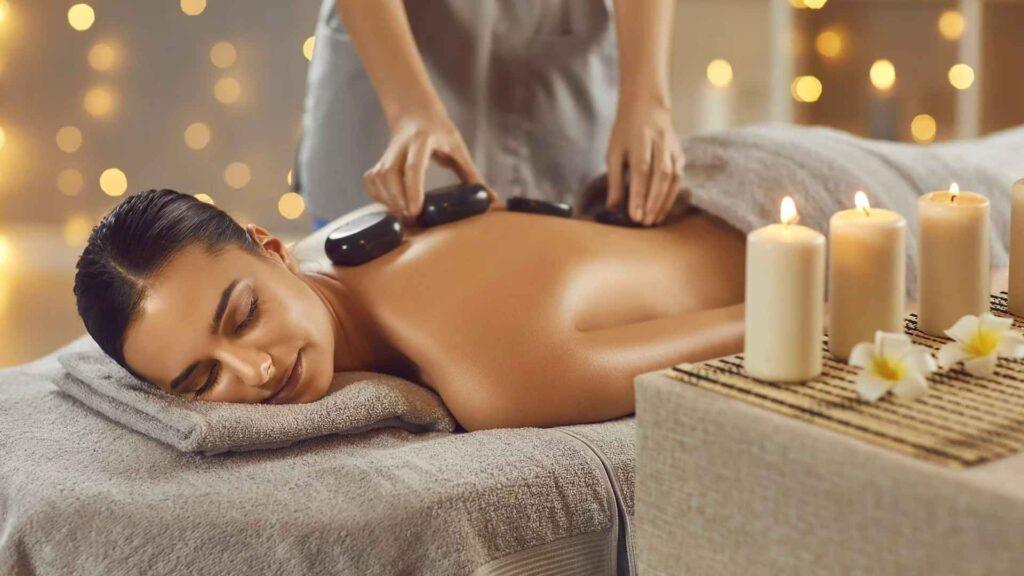
Shoulder pain can quickly turn a normal training session into a frustrating experience. For swimmers, pedal players, footballers, gym enthusiasts, and other active people, sports massage for shoulder pain in Dubai can be considered as part of a broader recovery strategy when muscular tension and post-training soreness are involved. The key is choosing a treatment that is targeted, comfortable, and appropriate for your actual condition not simply asking for the deepest pressure possible.
What Should Sports Massage for Shoulder Pain in Dubai Actually Do?
A professional sports massage should begin with understanding the athlete’s activity, recent training load, painful movements, and areas of muscular tightness.
The shoulder does not work in isolation. The rotator cuff, upper back, neck, chest, and shoulder blade muscles all contribute to efficient upper-body movement. Repetitive overhead activities such as serving in pedal, swimming, volleyball, or lifting weights can place substantial demands on this system.
That is why an effective session should be individualized rather than performed as a standard routine.
What Research Actually Provides?
Research provides a useful perspective. A systematic review and meta-analysis found low-quality evidence that soft-tissue massage may provide short-term improvements in pain, function, and shoulder range of motion for people with nonspecific shoulder pain.
However, massage should be viewed as supportive care not a replacement for diagnosis, rehabilitation, strengthening, or medical treatment when these are required.
Why Shoulder Pain Needs a Wider View
A tight shoulder does not always mean the shoulder itself is the only problem.
Training volume, previous injury, restricted mobility, muscular imbalance, technique, and repetitive movement can all influence how an athlete experiences discomfort.
For example, a pedal player repeatedly serving overhead may experience tension around the posterior shoulder and upper back, while a weightlifter may notice discomfort after pressing movements.
A good therapist therefore considers the movement pattern therapy, not just the painful spot.
7 Things Athletes Should Expect from a Professional Session
1. Targeted Muscle Assessment
The therapist should identify areas of muscle tension, tenderness, and restricted movement before applying significant pressure.
2. Sport-Specific Treatment
A swimmer, tennis player, boxer, and gym athlete place different demands on their shoulders. The massage should reflect those differences.
3. Controlled Pressure
More pressure does not automatically mean better treatment. Excessive pressure over an irritated area can make symptoms worse.
4. Attention to Surrounding Muscles
Treatment may include the upper trapezius, posterior shoulder, upper back, chest, and other surrounding soft tissues when appropriate.
5. Mobility Support
Appropriate soft-tissue work may complement mobility exercises and help an athlete feel less restricted during movement.
6. Recovery, Not Performance Promises
A major systematic review of 29 studies involving 1,012 participants found no evidence that sports massage directly improves strength, sprinting, jumping, endurance, or fatigue. It did, however, find small improvements in flexibility and delayed-onset muscle soreness.
That distinction matters. The purpose should be recovery support massage, not promising an instant performance upgrade.
7. A Clear Safety Boundary
If shoulder pain follows major trauma or is accompanied by significant weakness, swelling, numbness, deformity, fever, chest symptoms, or severe unexplained pain, massage should not be used as a substitute for medical assessment.
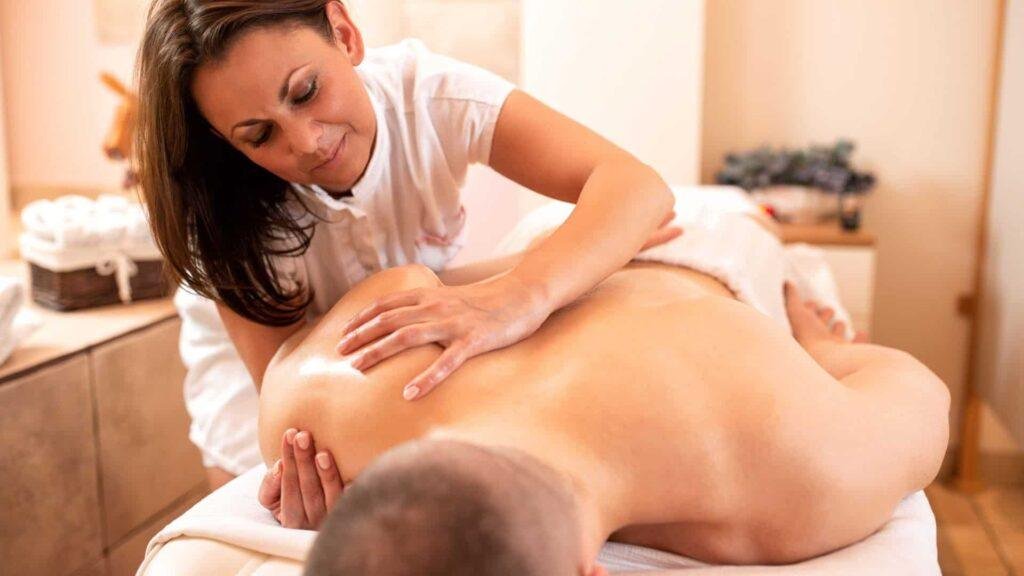
Sports Massage for Shoulder Pain in Dubai: The Revivers Athlete Recovery Framework
At Revivers Home Spa, a useful way to structure the experience is the SHOULDER Recovery Framework:
Screen: Understand the athlete’s symptoms and recent activity.
Highlight: Identify the muscles and movement patterns requiring attention.
Optimize: Select appropriate massage techniques and pressure.
Unload: Help reduce excessive muscular tension following training.
Loosen: Support comfortable mobility without forcing painful movement.
Develop: Encourage the athlete to combine massage with strengthening, mobility, sleep, hydration, and sensible training.
Evaluate: Pay attention to how the body responds rather than assuming every session should feel the same.
Recover: Build massage into a broader sports recovery routine therapy when appropriate.
This framework creates a more realistic expectation: massage is one component of recovery, not the entire rehabilitation process.
Real Case Study: Why Individual Assessment Matters
A published case report involving a semi-professional water polo player demonstrates why shoulder pain in athletes should not automatically be treated as a simple muscle problem.
The athlete developed acute shoulder pain during a game. Although no structural lesion was confirmed initially, anxiety and fear about the condition appeared to increase his symptoms. A physiotherapist used a combination of hands-on and hands-off approaches, education, and movement-based management. The athlete showed significant improvement and returned to sport.
This was not a sports-massage-only study, so it cannot prove that massage alone caused the recovery. Its value is different: it demonstrates how physical symptoms, movement, psychological responses, and sport-specific demands can interact.
Another randomized controlled trial involving 80 people with nonspecific shoulder pain found that adding soft-tissue massage to exercise did not provide additional long-term benefits over exercise alone.
Together, these findings support a balanced message: massage may have a useful supportive role, but athletes deserve individualized care rather than exaggerated promises.
Who Can Benefit from a Shoulder-Focused Sports Massage?
A targeted session may be relevant for active people experiencing post-workout soreness massage, muscular tightness, or recovery-related discomfort, including:
Pedal players in JVC.
Swimmers and fitness enthusiasts.
Gym athletes in Al Barsha.
Footballers training around Dubai.
Tennis players in Jumeirah.
Professionals experiencing upper-body tension.
Athletes looking for convenient sports recovery massage.
For busy Dubai residents, an at-home sports massage can also remove the need to travel immediately after demanding training.
When Is the Right Time to Book?
Timing should depend on your training schedule.
After intense training: A session may be useful when the primary goal is relaxation and recovery.
During a heavy training block: Regular recovery sessions can complement a structured fitness program.
Before competition: Avoid experimenting with unusually intense massage immediately before an important event.
With persistent pain: Get an appropriate clinical assessment rather than repeatedly masking symptoms with massage.
The goal is consistency and appropriate treatment not maximum intensity.
FAQs About Sports Massage for Shoulder Pain in Dubai
Can sports massage reduce shoulder pain?
Massage may provide short-term relief for some forms of nonspecific shoulder pain, particularly when muscular factors are involved. Evidence is mixed, so persistent or severe pain should be professionally assessed.
Is sports massage suitable for athletes?
Yes, it can be incorporated into an athlete’s recovery routine. However, it should complement not replace strength training, mobility work, physiotherapy, adequate sleep, nutrition, and medical care when necessary.
Can massage help a tight shoulder after gym training?
It may help with perceived muscular tightness and post-exercise soreness. The therapist should adjust pressure according to the athlete’s condition rather than automatically using deep pressure.
Should I get a massage if my shoulder is injured?
Not every injury is appropriate for massage. Acute trauma, suspected fractures, major swelling, neurological symptoms, significant weakness, or unexplained severe pain require appropriate medical assessment first.
Can I book a sports massage at home in Dubai?
A home session can be convenient for athletes who want recovery support without travelling after training. Revivers Home Spa provides home-based massage services across Dubai.
Why Revivers Home Spa?
Athletes deserve more than a generic massage. They deserve a treatment experience that considers sports injury recovery, movement demands, muscular tension, comfort, and their individual training lifestyle.
Revivers Home Spa brings a professional sports massage therapy experience directly to clients across Dubai, making recovery more convenient for athletes and active professionals in Al Barsha, JVC, Jumeirah, Downtown Dubai, Business Bay, and surrounding areas.
If your shoulder feels overworked after training, don’t simply push through it. Give your recovery the same attention you give your workout.
Book a personalized sports massage with Revivers Home Spa and make smarter recovery part of your Dubai fitness routine.
Share
Related posts