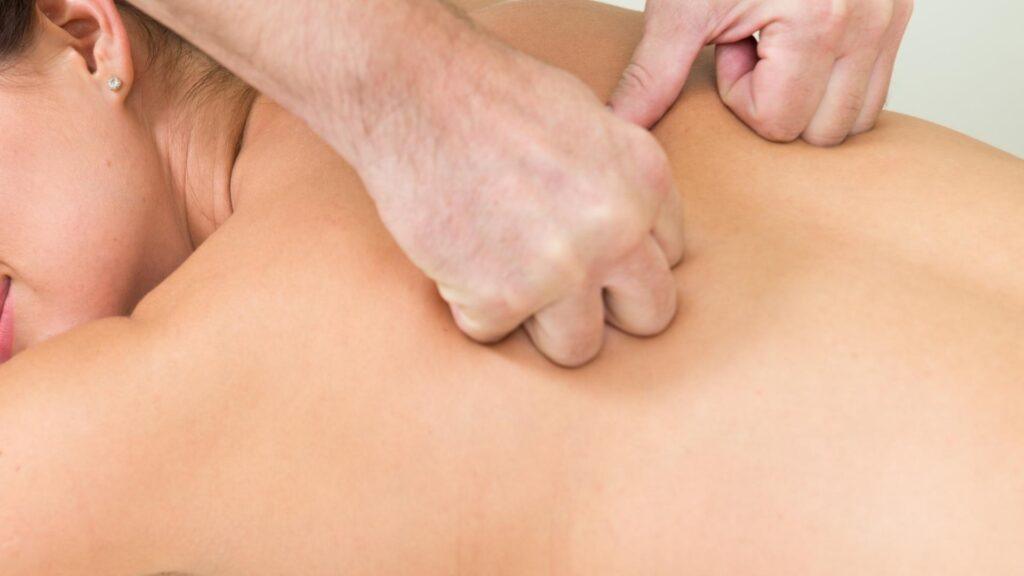
Pregnancy can be exciting and emotionally demanding at the same time. Hormonal changes, physical discomfort, sleep disruption, uncertainty about childbirth, and lifestyle changes can affect emotional wellbeing. Understanding how prenatal massage supports mental health during pregnancy can help expectant mothers consider massage as one complementary part of a broader pregnancy wellness plan.
Prenatal massage should not be presented as a cure for depression or anxiety. Instead, evidence suggests that appropriately performed massage may help support relaxation, reduce perceived stress, and improve some symptoms of anxiety and low mood in certain pregnant women.
How Prenatal Massage Supports Mental Health During Pregnancy
The potential mental-health value of massage begins with the physical experience.
Pregnancy can create persistent muscle tension in the back, shoulders, hips, and legs. When physical discomfort combines with poor sleep and daily stress, the overall burden can feel greater.
A calm, professionally adapted massage session creates dedicated time away from work, household responsibilities, screens, and other demands.
This creates what we can call the Relaxation–Comfort–Connection framework:
Relaxation: A quiet environment and therapeutic touch may help the mother slow down mentally.
Comfort: Reducing muscular tension can make it easier to rest and move comfortably.
Connection: A supportive professional interaction can give the mother a protected period of attention and self-care.
The goal is not to force a psychological outcome. It is to create conditions that may support emotional wellbeing.
What Does the Research Show?
The evidence is promising but not perfect.
A 2020 systematic review and meta-analysis included eight studies, seven of which were randomized controlled trials. The researchers found moderate effects suggesting massage could reduce anxiety and depressive symptoms during pregnancy compared with usual care. However, none of the included trials was judged to have a low risk of bias, so the authors called for stronger research.
A separate systematic review of 12 randomized controlled trials found that relaxation massage during pregnancy was associated with reductions in stress, anxiety, depression, and back or leg pain. The review also noted that most studies involved women without complicated pregnancies, meaning results should not automatically be generalized to high-risk pregnancies.
That distinction is important for responsible prenatal mental wellness content.
How Prenatal Massage Supports Mental Health During Pregnancy: 5 Practical Pathways
1. Creates a Structured Pause
Many pregnant women continue working, managing family responsibilities, and preparing for the baby. A scheduled massage creates intentional downtime.
This can support pregnancy stress relief massage by giving the mother a defined period where she does not have to accomplish anything.
2. May Reduce Physical Stress
Muscle tension and discomfort can contribute to an overall sense of stress.
A gentle prenatal massage near me in Dubai may help relax areas such as the shoulders, lower back, hips, and legs when performed by someone experienced in pregnancy care.
The psychological benefit may therefore be partly indirect: improved physical comfort can make relaxation easier.
3. Supports Relaxation Before Sleep
Pregnancy-related discomfort can make winding down difficult.
A calm massage session, especially when scheduled as part of an evening wellness routine, may help some women transition into a more relaxed state.
It should not, however, be marketed as a treatment for clinical insomnia.
4. Provides Personal Attention
Pregnancy often shifts attention toward the developing baby. A professional massage gives the mother dedicated time for herself.
This can reinforce pregnancy self-care therapy, body awareness, and a sense that maternal wellbeing deserves attention too.
5. May Complement Mental-Health Support
Massage can sit alongside evidence-based psychological care rather than competing with it.
For example, a woman experiencing mild pregnancy-related stress may combine relaxation practices, appropriate physical activity, social support, and prenatal massage.
Someone experiencing significant anxiety, persistent sadness, panic, hopelessness, or difficulty functioning should speak with a qualified healthcare or mental-health professional.
A Real Clinical Study: Massage Combined with Psychotherapy
One of the strongest ways to demonstrate E-E-A-T is to examine an actual clinical study rather than simply claiming that massage “reduces depression.”
A randomized study published in 2009 involved 112 pregnant women diagnosed with depression. Participants were assigned to group interpersonal psychotherapy alone or psychotherapy combined with 20-minute massage sessions once a week for six weeks.
The combined-treatment group showed greater reductions in depression-related measures, depressed affect, somatic symptoms, anxiety, and cortisol compared with psychotherapy alone. The massage-plus-psychotherapy group also had higher attendance and completion of the six-week program.
This is meaningful evidence, but it should be interpreted correctly.
The study tested massage as an addition to group interpersonal psychotherapy, not massage as a stand-alone treatment for depression.
That distinction is exactly what responsible pregnancy wellness content should communicate.
Who May Find Best Prenatal Massage at Home Near Me Helpful?
A professionally adapted session may appeal to pregnant women experiencing:
Pregnancy-related stress.
Muscle tension.
Difficulty relaxing.
Mild anxiety associated with everyday pregnancy changes.
Back or leg discomfort.
Sleep-related discomfort.
A need for structured maternal self-care.
Desire for a calm pregnancy wellness routine.
The experience should always be individualized.
A qualified therapist should ask about pregnancy stage, comfort, medical history where relevant, positioning preferences, and any healthcare-provider recommendations.
When Should You Avoid Treating Massage as the Main Solution?
Massage is complementary wellness care.
If pregnancy-related anxiety or depression is persistent, intense, or interfering with daily life, professional assessment matters more than simply booking additional massage sessions.
Evidence-based psychological interventions have demonstrated benefits for prenatal anxiety, depression, and stress. A 2022 meta-analysis of 79 randomized and quasi-randomized trials found that cognitive behavioral therapy-based interventions were effective for prenatal depression, anxiety, and stress.
Therefore, a sensible decision framework is:
Mild everyday stress – wellness strategies may help.
Persistent symptoms – discuss them with a healthcare professional.
Severe or concerning symptoms – seek professional mental-health support promptly.

Massage can be part of the first category without replacing care in the other two.
Most Trusted Home Massage Service Providers in Dubai
The most effective approach is broader: combine appropriate prenatal care with healthy lifestyle habits, social support, professional mental-health care when needed, and carefully adapted wellness treatments.
For expectant mothers seeking a private and convenient experience in Dubai, Revivers Home Spa can provide a professionally adapted prenatal massage experience at home.
Pregnancy is a major physical and emotional transition. Give yourself permission to pause, breathe, and receive care while making sure your mental health receives the professional attention it deserves.
Prenatal Massage in Dubai: Why the Environment Matters
Mental relaxation is influenced by the environment as much as the technique.
For mothers living in Al Barsha, Jumeirah, JVC, Business Bay, or Downtown Dubai, an at-home prenatal massage session can remove the need to travel through traffic before or after treatment.
A familiar home environment can also make it easier to continue relaxing after the appointment rather than immediately returning to a busy schedule.
For some expectant mothers, that transition is an important part of the experience.
A professional at-home prenatal massage should still maintain appropriate standards: trained practitioners, pregnancy-specific positioning, clear communication, suitable pressure, and attention to contraindications.
A Simple Mental-Wellness Framework for Expectant Mothers
Think of prenatal massage as one component of a wider CALM pregnancy framework:
Comfort: Address manageable physical tension.
Awareness: Notice changes in mood, stress, sleep, and energy.
Lifestyle: Support sleep, movement, nutrition, social connection, and relaxation.
Medical support: Seek professional care when symptoms become persistent, severe, or concerning.
This framework prevents one wellness treatment from being given unrealistic responsibility for maternal mental health.
FAQs About Prenatal Massage and Mental Health
Can prenatal massage help with pregnancy anxiety?
Research suggests massage may reduce anxiety symptoms in some pregnant women, but the evidence has limitations. It should be considered complementary support rather than a replacement for psychological or medical care.
Can prenatal massage help with depression during pregnancy?
Some studies have reported reductions in depressive symptoms, including a clinical trial where massage was combined with interpersonal psychotherapy. However, massage alone should not be considered a treatment for clinical depression.
How often should I have prenatal massage for mental wellbeing?
There is no universally established schedule. Research protocols vary considerably. Frequency should depend on pregnancy stage, comfort, goals, therapist guidance, and healthcare advice.
Is prenatal massage safe for everyone?
Not necessarily. Many clinical trials excluded women with complicated pregnancies. If you have pregnancy complications or concerns, ask your obstetrician or midwife whether massage is appropriate before booking.
Can massage replace therapy for prenatal anxiety?
No. Massage may complement mental-health care, but it should not replace evidence-based psychological treatment when anxiety or depression is clinically significant.
Final Thoughts
Understanding how prenatal massage supports mental health during pregnancy starts with realistic expectations.
Massage may provide a valuable combination of physical comfort, relaxation, personal attention, and stress support. Research suggests potential benefits for anxiety and depressive symptoms, but the evidence is not strong enough to position massage as a stand-alone mental-health treatment.
Share
Related posts