Leg injuries can disrupt everything from your daily walk to your toughest workout. Whether you’re a runner in JVC, a football player in Al Barsha, or a fitness enthusiast in Business Bay, recovering safely and efficiently is essential. Understanding how sports massage effective in leg injuries can help you make informed decisions and return to your active lifestyle with greater confidence.
How Sports Massage Effective in Leg Injuries: The Science Behind Recovery
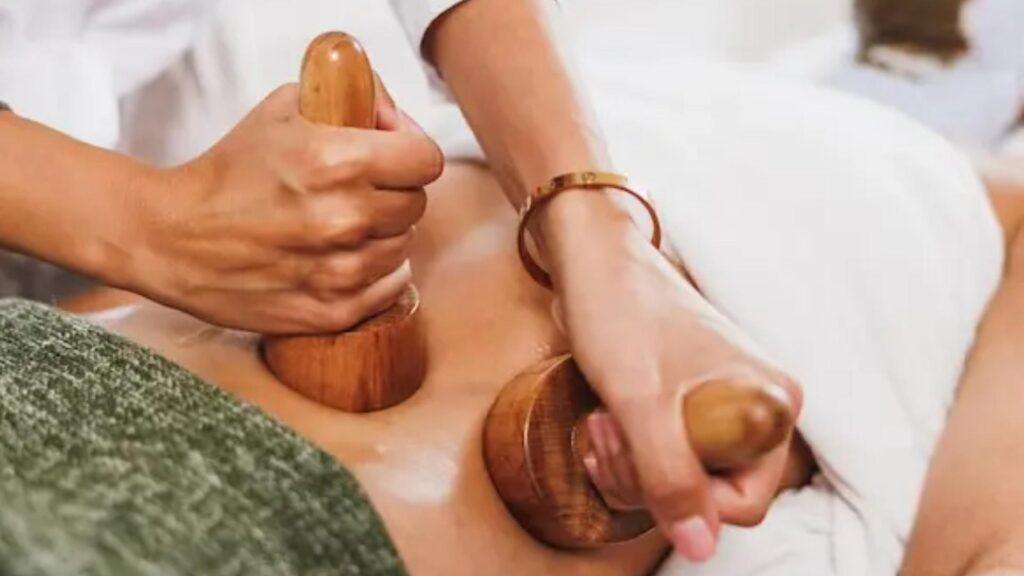
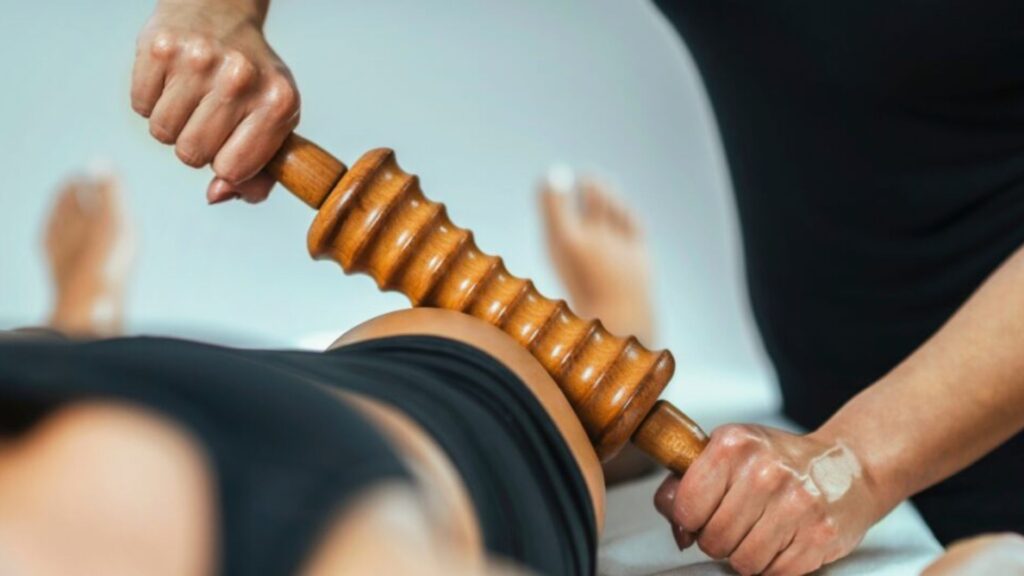
Many people believe sports massage simply helps you relax, but experienced therapists know its real purpose is to support the body’s natural recovery process. Professional sports massage works on muscles, fascia, and surrounding soft tissues to reduce excessive tension, improve circulation, and restore healthy movement patterns.
Research suggests that controlled soft tissue manipulation may improve blood flow, reduce muscle stiffness, and encourage better flexibility during rehabilitation. While massage is not a replacement for medical treatment, it is often used alongside rehabilitation programs to support recovery.
The Revivers Recovery Performance Framework
At Revivers Home Spa, every session follows a personalised recovery process instead of using the same routine for every client.
Our therapists carefully assess:
Muscle tightness.
Injury location.
Pain level.
Mobility restrictions.
Recovery goals.
Based on this assessment, treatment focuses on:
Muscle recovery therapy.
Soft tissue mobilisation.
Deep tissue massage.
Sports injury rehabilitation.
Circulation improvement.
Flexibility enhancement.
Pain management massage.
Athletic recovery therapy.
This structured approach helps clients recover safely while reducing the risk of recurring muscle problems.
How Sports Massage Effective in Leg Injuries for Different Athletes
Different activities place stress on different muscle groups, which is why treatment should always be customised.
For example:
Runners commonly develop calf tightness and hamstring strain.
Football players frequently experience quadriceps and groin tension.
Cyclists often struggle with hip flexor tightness.
Gym enthusiasts may experience muscle fatigue after heavy leg workouts.
Professional therapists adapt pressure, techniques, and treatment duration based on the type of activity and stage of recovery instead of applying one generic massage routine.
Expert Insight: Real Recovery Case
A recreational marathon runner in Dubai experienced recurring calf tightness after increasing weekly training mileage before an upcoming race. After combining physiotherapist-guided rehabilitation with weekly sports massage sessions focused on soft tissue mobility and recovery, the runner reported noticeable improvements in calf flexibility, reduced muscle tightness, and greater comfort during training over the following several weeks. While individual results vary, this example reflects how massage can complement an evidence-based recovery plan rather than replace professional medical care.
One reason experts continue recommending sports massage is that it supports recovery while helping active individuals regain confidence in movement. When performed by trained professionals, it becomes an important part of a comprehensive rehabilitation strategy rather than simply a relaxing treatment.
How Sports Massage Effective in Leg Injuries: Benefits Experts Consistently Observe
When discussing how sports massage effective in leg injuries, therapists often focus on one key goal: restoring normal movement while supporting the body’s natural healing mechanisms.
Many clients notice benefits such as:.
Reduced muscle tightness.
Improved flexibility.
Better range of motion.
Faster post-exercise recovery.
Enhanced circulation.
Improved movement confidence.
Sports massage at home may also help reduce compensatory movement patterns. For example, when an injured calf becomes tight, other muscles often work harder to compensate. Over time, this can create additional discomfort in the knees, hips, or lower back.\
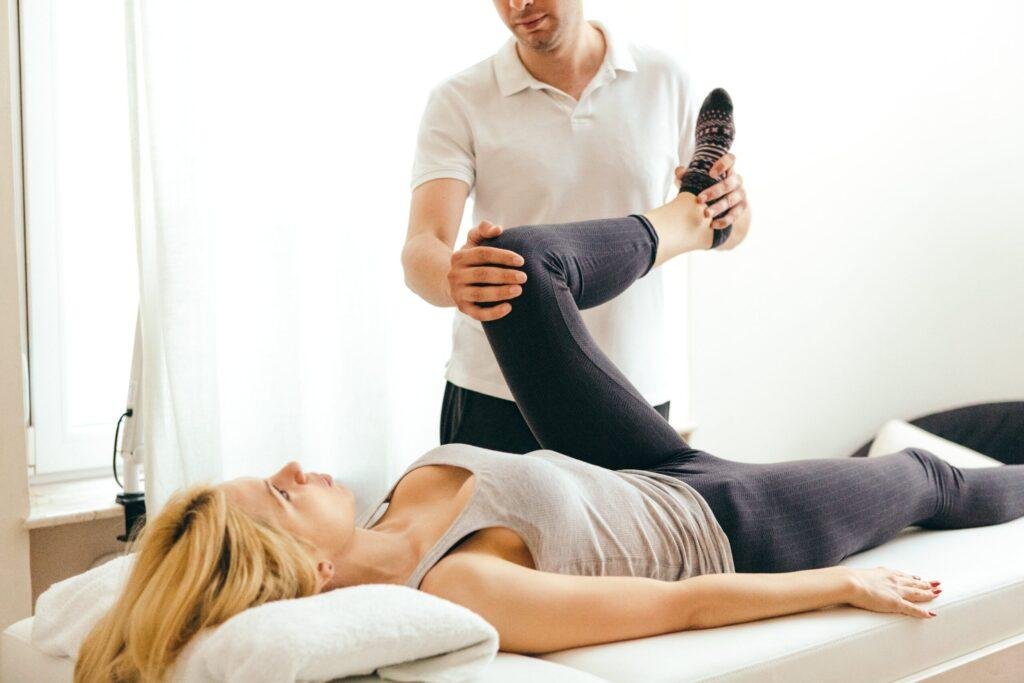
This is Where Targeted Therapy Can Support Overall Recovery
Additional benefits include:
Post-workout recovery therapy.
Muscle tension relief.
Sports performance recovery.
Leg muscle rehabilitation.
Mobility improvement.
Scar tissue management.
Recovery massage therapy.
Therapeutic sports massage.
Why Dubai Athletes Choose Revivers Home Spa
Active individuals across JVC, Downtown Dubai, Business Bay, Al Barsha, Dubai Marina, and Jumeirah increasingly prefer personalised recovery treatments delivered at home.
Revivers Home Spa combines professional expertise with convenience, allowing clients to receive recovery-focused treatments without travelling after intense training sessions.
Whether you’re preparing for a marathon, recovering from a football match, or managing ongoing muscle fatigue from gym training, our experienced therapists create customised treatment plans designed around your unique recovery needs.
A Simple Decision Guide
You may benefit from sports massage if you experience:
Persistent muscle tightness.
Reduced flexibility.
Post-training soreness.
Minor soft tissue discomfort.
Movement restrictions during exercise.
You should seek medical evaluation first if you experience:
Severe swelling.
Sudden inability to bear weight.
Suspected fractures.
Acute traumatic injuries.
Significant joint instability.
This balanced approach ensures both safety and effective recovery.
Frequently Asked Questions
Does sports massage heal leg injuries?
Sports massage does not directly heal injuries. However, it can support rehabilitation by improving circulation, reducing muscle tension, and restoring mobility when used alongside an appropriate recovery plan.
How often should I get sports massage for leg injuries?
The frequency depends on the severity of the condition, activity level, and recovery goals. Many active individuals benefit from sessions every one to two weeks during rehabilitation.
Is sports massage painful?
Professional sports massage should feel therapeutic rather than unbearable. Some tenderness may occur, but excessive pain is generally not necessary for effective treatment.
Who benefits most from sports massage?
Runners, cyclists, football players, gym enthusiasts, and anyone recovering from muscle-related discomfort often benefit from targeted recovery treatments.
Can sports massage help prevent future injuries?
By improving flexibility, mobility, and muscle balance, sports massage may help reduce some risk factors associated with recurring soft tissue problems.
Conclusion
Understanding how sports massage effective in leg injuries helps active individuals make smarter recovery decisions. When combined with proper rehabilitation, professional guidance, and consistent recovery habits, sports massage can play an important role in restoring mobility, reducing muscle tension, and supporting long-term performance.
If you’re ready to move more comfortably, recover more effectively, and return to doing what you love, book your personalised sports massage session with Revivers Home Spa today and experience professional recovery care designed around your goals.