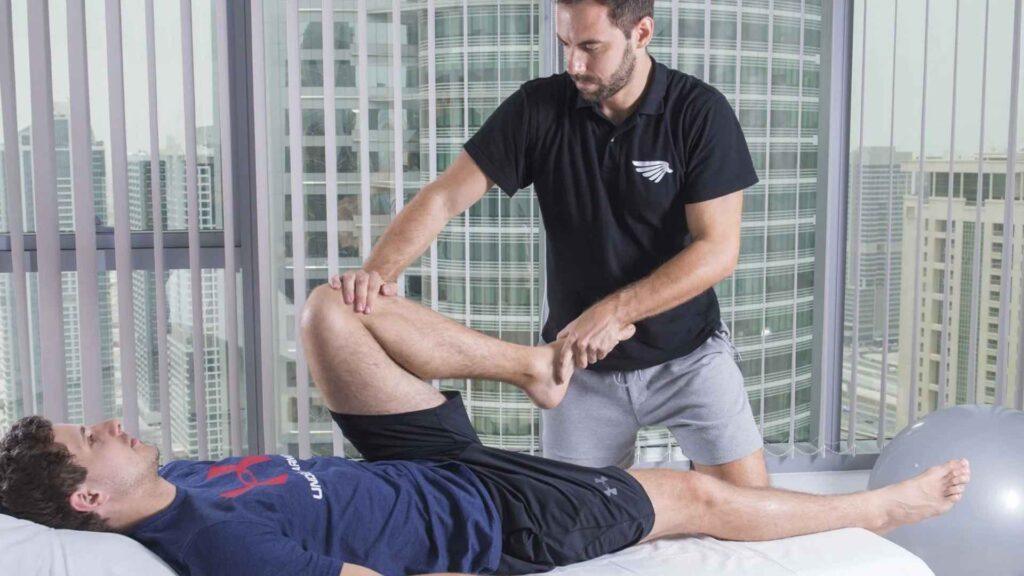
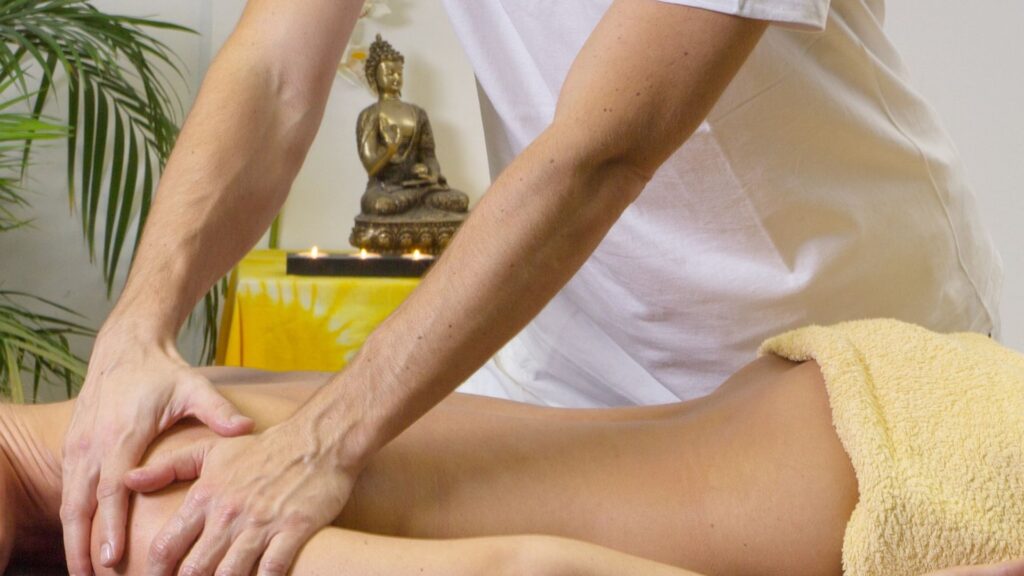
New mothers often have the same question: is postnatal massage safe while breastfeeding? In most uncomplicated postpartum situations, a professionally adapted massage can be part of a mother’s wellness routine. Breastfeeding itself does not automatically mean massage must be avoided. The important considerations are your recovery stage, health status, treatment area, positioning, pressure, and any medical advice you have received.
For mothers in Dubai, understanding these points before booking can make a home wellness session much more comfortable and appropriate.
Is Postnatal Massage Safe While Breastfeeding?
For many healthy breastfeeding mothers, massage can be suitable when it is appropriately adapted to postpartum recovery. However, a standard full-body massage should not simply be transferred to the postpartum period without modifications.
A trained therapist should ask about your delivery, recovery, current symptoms, breastfeeding routine, and any medical restrictions.
A useful safety framework is:
Check – Communicate – Adapt – Treat – Reassess
First, check your postpartum recovery. Then communicate any pain, incision concerns, breast discomfort, or areas you want avoided. The therapist can adapt positioning, pressure, duration, and treatment areas before beginning.
This approach is particularly important after a C-section, difficult delivery, significant tearing, or other postpartum complications.
Does Massage Affect Breast Milk?
There is no good evidence that an ordinary back, neck, shoulder, arm, or leg massage inherently makes breast milk unsafe for the baby.
In fact, research is increasingly examining massage as part of postpartum and lactation support. A 2026 randomized controlled trial involving 70 first-time mothers found that postpartum foot massage was associated with improved breastfeeding-assessment scores and sleep quality over four weeks. However, this was a specific foot-massage intervention, so the results should not be generalized to every type of massage.
This distinction matters: Postpartum massage for relaxation is not the same intervention as breast massage for lactation problems.
Is Postnatal Massage Safe While Breastfeeding After a C-Section?
If you are breastfeeding after a cesarean birth, extra attention should be given to the incision and abdominal area.
Early postpartum massage can focus on areas away from healing tissues, such as the shoulders, upper back, arms, legs, and feet, depending on medical clearance and comfort.
Direct C-section scar massage should not be treated as a routine part of an early postpartum session. The incision needs appropriate healing before scar-focused work is considered.
A therapist should also avoid forcing positions that increase abdominal discomfort.
If you have fever, increasing incision pain, wound separation, unusual drainage, significant swelling, or another concerning symptom, postpone the massage and contact your healthcare professional.
What Should You Do Before a Breastfeeding Massage Session?
1. Tell the Therapist You Are Breastfeeding
This simple detail can change how the session is planned.
It helps the therapist consider positioning, breast sensitivity, feeding schedules, and which areas should receive pressure.
2. Mention Your Delivery Type
Tell the therapist whether you had a vaginal birth or C-section and how long ago you delivered.
Your recovery timeline matters.
3. Feed or Pump Before the Session if Comfortable
Some mothers prefer breastfeeding or expressing milk shortly before massage so their breasts feel less full during positioning.
This is a comfort strategy, not a medical requirement.
4. Discuss Breast Sensitivity
Breastfeeding can make the chest and breast area sensitive. You can request that the therapist avoid the breasts completely.
For ordinary postpartum relaxation massage, there is usually no reason to massage the breast unless specifically trained and clinically indicated for that purpose.
5. Mention Medications or Medical Concerns
Tell your healthcare professional or therapist about relevant postpartum issues, especially if you have experienced complications.
What Does Research Say About Massage and Breastfeeding?
The evidence is becoming more interesting.
A 2026 systematic review and meta-analysis examined 18 randomized controlled trials involving 1,099 postpartum women and found that breast massage was associated with increased milk volume and reductions in breast engorgement, breast pain, and anxiety. However, the studies involved specific breast-massage interventions, and the authors noted substantial statistical heterogeneity.
Another 2026 randomized controlled trial studied 94 women after C-section and found that a specific breast-massage intervention produced higher milk-transfer volume at 24 hours compared with control care, although breastfeeding self-efficacy and LATCH scores did not differ significantly between groups.
These findings are useful but should not be turned into a claim that every postnatal massage increases milk supply.
The practical takeaway is simpler: General massage and therapeutic breast massage are different services with different goals.
Real Case Evidence: Massage During the Postpartum Period
A 2019 observational study by Fogarty and colleagues that specifically examined possible adverse effects of massage during pregnancy and the postpartum period.
The researchers investigated reported side effects and physical harm to mothers and babies associated with massage therapy. The study was designed to address an important evidence gap because relatively little research had examined massage-related harm during these periods.
This type of evidence is valuable because professional massage guidance should consider not only potential benefits but also possible adverse effects and appropriate treatment modifications.

It also reinforces an important principle for breastfeeding mothers: The quality of the therapist’s assessment matters as much as the massage technique itself.
Home Postnatal Massage in Dubai: Why It Can Be Practical
For a breastfeeding mother, travelling to a spa is not always convenient.
A home session can eliminate:
Dubai traffic.
Parking stress.
Unnecessary travel after treatment.
Disruptions to feeding routines.
The need to arrange additional childcare.
This can be particularly practical for mothers living in Al Barsha, Jumeirah, JVC, Business Bay, and Downtown Dubai.
A professional at-home postnatal massage can also allow the mother to return immediately to her normal feeding and resting environment.
The Key is Choosing the Right Home Postnatal Massage Service in Dubai
Choose a therapist who understands postpartum recovery, communicate your breastfeeding needs, protect healing tissues, and seek medical advice when symptoms fall outside normal recovery.
For mothers seeking convenient professional care at home, Revivers Home Spa offers a personalized postnatal wellness experience across Dubai.
Your postpartum body has already done something extraordinary. Give it care that is thoughtful, gentle, and designed around where you are in your recovery not where a generic massage routine expects you to be.
Postnatal Massage vs. Breast Massage: Know the Difference
These terms are sometimes used interchangeably, but they are not identical.
Postnatal body massage generally aims to support relaxation, muscular comfort, and postpartum wellbeing.
Breast massage is a more specific intervention that may be used for particular lactation-related concerns and should be performed appropriately.
If you have breast redness, significant pain, fever, or symptoms that may indicate mastitis or another breast-health problem, massage should not be used as a substitute for medical or lactation-professional assessment.
What Breastfeeding Mothers Mostly Ask
Can I breastfeed immediately after a massage?
Generally, there is no reason an uncomplicated body massage should require you to stop breastfeeding afterward. If topical products are used near the chest, ask exactly what ingredients are being applied and avoid products that could contact the baby’s mouth.
Should I pump before postnatal massage?
You do not have to pump. Some mothers simply prefer to breastfeed or express beforehand because full breasts can feel uncomfortable during certain positions.
Can massage reduce breast milk supply?
There is no established reason why ordinary body massage would inherently reduce milk supply. Evidence on specific breast-massage techniques is different and is still developing.
Can I receive massage after a C-section while breastfeeding?
Potentially, depending on your recovery and medical circumstances. Early sessions may focus on areas away from the incision, while direct abdominal or scar work should wait until appropriate healing and professional guidance.
Should breastfeeding mothers avoid essential oils?
Not every essential oil or topical formulation has the same safety profile. If oils are used, discuss allergies, skin sensitivity, fragrance preferences, and breastfeeding considerations with the therapist. Avoid products that could come into contact with the baby’s mouth or skin.
The Smart Pre-Session Checklist
Before booking your best postnatal massage at home, ask five questions:
Is the therapist experienced with postpartum clients?
Will my delivery type and recovery stage be considered?
Can I request that my breasts and abdomen be avoided?
Will pressure and positioning be adapted for comfort?
What happens if I develop pain or discomfort during the session?
A provider that answers these questions clearly demonstrates a more professional approach to postpartum wellness massage at home in Dubai.
Final Thoughts
So, is postnatal massage safe while breastfeeding? For many mothers with an uncomplicated recovery, appropriately adapted massage can be a reasonable wellness option. Breastfeeding alone does not automatically make body massage unsafe.
Share
Related posts