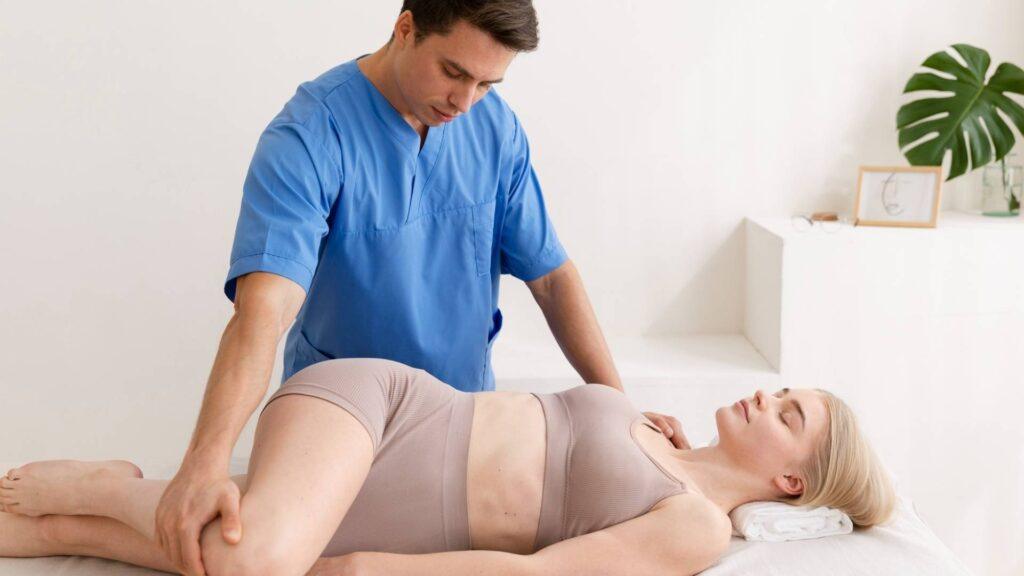
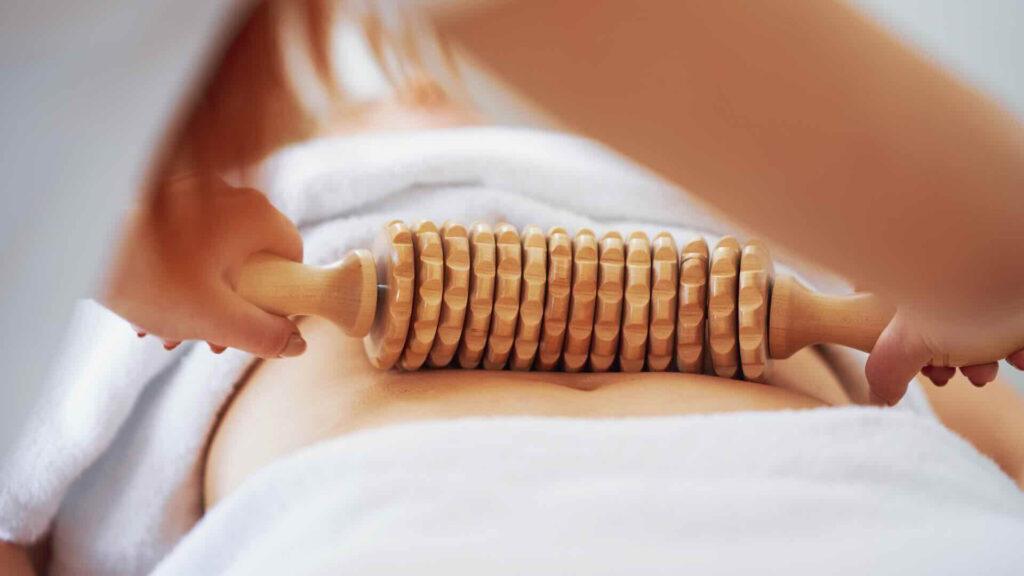
The arrival of a baby can be joyful and overwhelming at the same time. Sleep disruption, physical recovery, feeding responsibilities, hormonal changes, and constant mental demands can leave new mothers feeling tense or anxious. Postnatal massage for postpartum stress can offer a supportive wellness approach by combining therapeutic touch, relaxation, and dedicated time away from everyday pressures.
It is important to set realistic expectations: massage is not a treatment for clinical anxiety or postpartum depression. However, research suggests that massage may help reduce stress, anxiety, physical discomfort, and emotional tension for some women when used alongside appropriate healthcare and social support.
How Postnatal Massage for Postpartum Stress May Help
After childbirth, psychological and physical stress can reinforce each other. A tense back may make resting harder, while poor sleep can increase irritability and emotional strain.
A carefully adapted postpartum massage may help interrupt this cycle by promoting relaxation and temporarily easing muscular tension.
Potential benefits include:
Postpartum stress relief.
Reduced muscle tension.
A greater sense of physical relaxation.
Support for postpartum anxiety relief.
Improved perceived comfort.
Dedicated new mother self-care.
Time for quiet recovery.
Potential support for better sleep.
The experience is particularly valuable when treatment is gentle, personalized, and delivered by a therapist familiar with postpartum recovery.
Postnatal Massage for Postpartum Stress: What Actually Happens?
A professional session should begin with a brief consultation rather than immediately applying pressure.
The therapist should consider:
Type of delivery.
Stage of postpartum recovery.
Areas of discomfort.
Current energy and fatigue levels.
Skin or incision concerns.
Preferred pressure.
Relevant medical guidance.
This creates a personal postpartum massage routine rather than a generic treatment.
For mothers recovering after C-section delivery, the therapist should avoid direct work on a healing incision and modify positioning and treatment areas appropriately. Mothers with medical complications should seek healthcare guidance before massage.
The Relax Release Restore Approach
A useful way to understand the experience is through three stages.
Relax: Slow, comfortable techniques help create a calmer environment.
Release: Appropriate massage may temporarily reduce muscular tightness in areas such as the shoulders, back, and legs.
Restore: After the session, the mother can use the quieter period for hydration, rest, breathing exercises, or sleep.
This makes massage a complementary postpartum wellness practice rather than a replacement for professional mental-health care.
What Does Research Say About Massage and Postpartum Anxiety?
Evidence is encouraging but should be interpreted carefully.
A 2026 randomized controlled trial involving 112 women who had vaginal deliveries evaluated massage therapy during the early postpartum period. Researchers reported improvements in several physical discomfort, mood, and emotional measures following the intervention compared with bed rest. The study supports the potential value of massage as complementary postpartum care, although it does not establish massage as a treatment for anxiety disorders.
An earlier randomized clinical trial involving 156 first-time mothers after elective C-section found that hand-and-foot massage and foot massage were associated with significant reductions in anxiety and pain compared with controls. The researchers concluded that massage could be useful as a supportive intervention for postoperative pain and stress.
Real Case Study: 156 Mothers After C-Section
In the clinical trial above, 156 primiparous women were divided into three groups: hand-and-foot massage, foot massage, and control. Anxiety and pain were assessed before and after treatment.
Both massage groups demonstrated significant reductions in anxiety and pain compared with the control condition. The study provides useful clinical evidence that structured massage can contribute to short-term emotional and physical comfort after childbirth.
However, this should not be interpreted as proof that massage “removes” postpartum anxiety. Persistent or severe anxiety requires proper assessment and potentially psychological or medical treatment.

Who May Benefit from Postnatal Massage?
Mothers experiencing ordinary postpartum tension may find massage particularly appealing when they want:
Relaxation after childbirth.
Stress management for new mothers.
Relief from everyday muscular discomfort.
A structured self-care break.
Postpartum sleep support.
A calming experience at home.
Home treatment can be especially practical for mothers who find travelling difficult after delivery.
An at-home postnatal massage allows the mother to remain in a familiar environment and rest immediately afterward. For families in Jumeirah, Dubai Marina, Downtown Dubai, Business Bay, JVC, and Al Barsha, this can make postpartum wellness easier to incorporate into a demanding routine.
How Often Should You Book a Postpartum Massage?
There is no universal schedule.
Some mothers may prefer an occasional session when tension becomes noticeable, while others may choose regular appointments during the early recovery period.
A practical decision framework is:
Occasional tension: consider a single relaxation-focused session.
Ongoing muscular discomfort: discuss a personalized series with a qualified therapist.
Persistent anxiety, panic, low mood, or intrusive thoughts: speak with a healthcare or mental-health professional rather than relying on massage alone.
This distinction is essential for safe and responsible wellness care.
What Postnatal Massage Should Not Promise
A trustworthy therapist should never promise to:
Cure postpartum anxiety.
Prevent postpartum depression.
Replace psychological treatment.
Heal every physical postpartum problem.
Produce instant emotional transformation.
Instead, professional postpartum massage therapy should focus on realistic outcomes such as comfort, relaxation, temporary muscular relief, and dedicated recovery time.
Revivers Home Spa provides expert at-home massage experiences designed around comfort and individual postpartum needs.
Frequently Asked Questions
Can postnatal massage reduce postpartum anxiety?
Massage may help some mothers feel more relaxed and may reduce short-term anxiety or stress. Research supports potential benefits, but massage should not be considered a standalone treatment for an anxiety disorder.
When can I have a postnatal massage?
Timing depends on delivery type, recovery progress, health status, and individual circumstances. A qualified therapist should assess these factors before treatment, while mothers with medical concerns should seek healthcare advice.
Is massage safe after a C-section?
Massage may be appropriate after appropriate recovery milestones, but direct treatment over a healing incision should be avoided unless specifically cleared by an appropriate healthcare professional.
Can massage help with postpartum sleep problems?
By encouraging relaxation and reducing muscular tension, massage may help create conditions that support rest. However, it cannot compensate for persistent sleep disruption caused by newborn care or treat an underlying sleep disorder.
What if I feel extremely anxious after giving birth?
Do not rely on massage alone. Severe, persistent, or worsening anxiety deserves professional assessment. If there are thoughts of self-harm, harming the baby, confusion, hallucinations, or an inability to stay safe, seek urgent medical help immediately.
Final Thoughts
Postnatal massage for postpartum stress can be a valuable addition to a new mother’s wellness routine when expectations are realistic. Its strongest role is supporting relaxation, easing everyday muscular tension, and creating protected time for recovery.
The most effective approach is not simply about applying massage techniques. It is about listening to the mother, adapting the treatment, respecting postpartum boundaries, and recognizing when professional medical or psychological support is needed.
If you want a convenient wellness experience without leaving home, Revivers Home Spa offers home based postnatal massage designed around comfort, privacy, and recovery. Because caring for a newborn begins with caring for the mother, too.
Share
Related posts