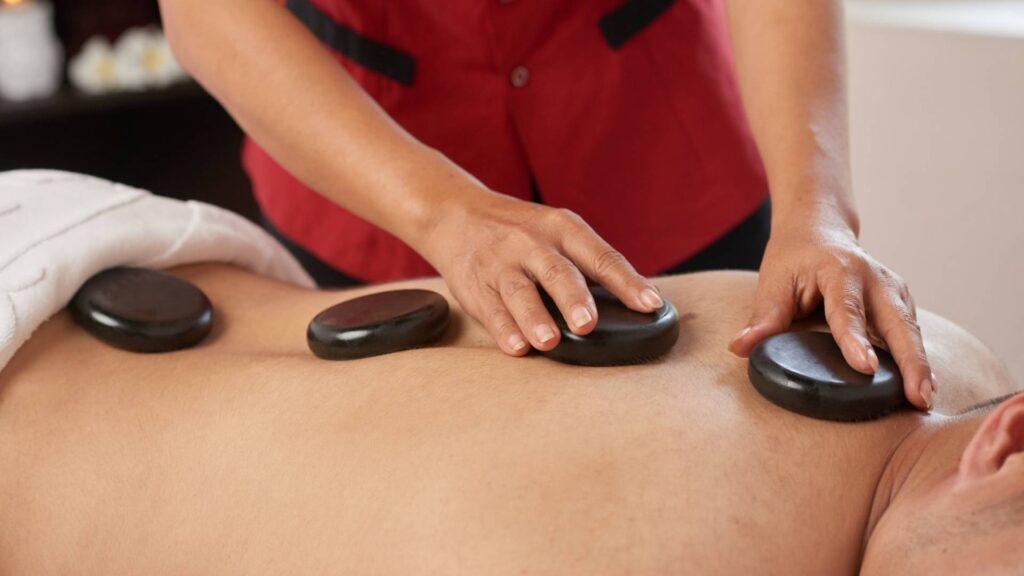
Pregnancy brings exciting changes, but it can also create physical discomfort and emotional stress. As your body adjusts to a growing baby, you may notice back tension, tired legs, difficulty relaxing, or changes in your sleep. Understanding why prenatal massage is important during second trimester can help you decide whether gentle, pregnancy-appropriate massage deserves a place in your wellness routine.
The second trimester, generally covering weeks 13 to 27, is often when some expecting mothers feel more comfortable than they did during early pregnancy. With appropriate precautions and approval from your healthcare provider when needed, prenatal massage at home may offer a relaxing way to manage everyday muscle tension and enjoy some personal care.
Why Prenatal Massage Is Important During Second Trimester
Prenatal massage is a gentle massage approach adapted to the physical needs of an expecting mother. It uses comfortable positioning and appropriate pressure to support relaxation and ease ordinary muscle tension.
During the second trimester, your body continues to adapt to changes in posture, weight distribution, and daily movement. These changes may contribute to back discomfort, tired muscles, and tension around the shoulders.
Understanding why prenatal massage is important during second trimester starts with recognizing that comfort matters. A suitable session may help you:
1. Relax tense back and shoulder muscles.
2. Reduce feelings of everyday physical tension.
3. Enjoy a calming break from a busy routine.
4. Support relaxation before bedtime.
5. Make time for personal wellbeing during pregnancy.
Massage does not prevent pregnancy complications or replace medical care. Its value is primarily supportive: helping an expecting mother feel more comfortable and relaxed.
What Are the Potential Benefits of Second Trimester Pregnancy Massage?
The potential home pregnancy massage benefits relate mainly to relaxation, muscle comfort, and emotional wellbeing. Individual experiences differ, and research does not establish that every pregnant woman will experience the same results.
1. May Help Ease Back and Shoulder Discomfort
As your abdomen grows, your posture and movement patterns can change. You may experience back pain during pregnancy, shoulder tightness, or general muscle discomfort.
A gentle massage adapted for pregnancy may help relax areas of muscle tension. The therapist should adjust pressure and positioning according to your comfort rather than using deep or forceful techniques.
2. Supports Relaxation and Stress Management
Pregnancy can involve appointments, changing routines, work responsibilities, and concerns about childbirth. A calm massage environment may provide an opportunity to slow down.
Research has explored stress relief massage during pregnancy through massage and other relaxation approaches. However, massage should be considered complementary support rather than a treatment for clinical anxiety or depression.
3. May Improve the Experience of Rest
Physical discomfort can make it harder to settle comfortably at night. A relaxing session may help some women feel calmer before bedtime.
Although better sleep during pregnancy is a reasonable wellness goal, massage cannot guarantee improved sleep or treat pregnancy-related sleep disorders.
4. Provides Dedicated Personal Care
Expecting mothers often spend considerable time managing appointments, responsibilities, and preparations for the baby. A carefully planned prenatal massage session can provide dedicated time to focus on physical comfort and relaxation.
Is Prenatal Massage Safe in the Second Trimester?
For many women with uncomplicated pregnancies, appropriately performed prenatal massage after the first trimester is generally considered low risk. However, safety depends on the mother’s health, pregnancy history, positioning, and the therapist’s training.
The American College of Obstetricians and Gynecologists (ACOG) explains that massage can be used during pregnancy and recommends side-lying rather than lying face down. It also advises choosing a therapist trained to work with pregnant clients.
A few important precautions include:
- Use a comfortable side-lying position, supported with suitable pillows.
- Avoid deep pressure and forceful techniques.
- Do not massage the abdomen.
- Avoid prolonged flat-on-the-back positioning, particularly as pregnancy progresses.
- Discuss massage oils and aromatherapy products with your healthcare provider.
- Stop the session if you feel dizzy, uncomfortable, breathless, or unwell.
Women with a high-risk pregnancy, vaginal bleeding, blood-clot concerns, high blood pressure, or other pregnancy complications should seek medical advice before booking. A therapist should never assess or diagnose these conditions.
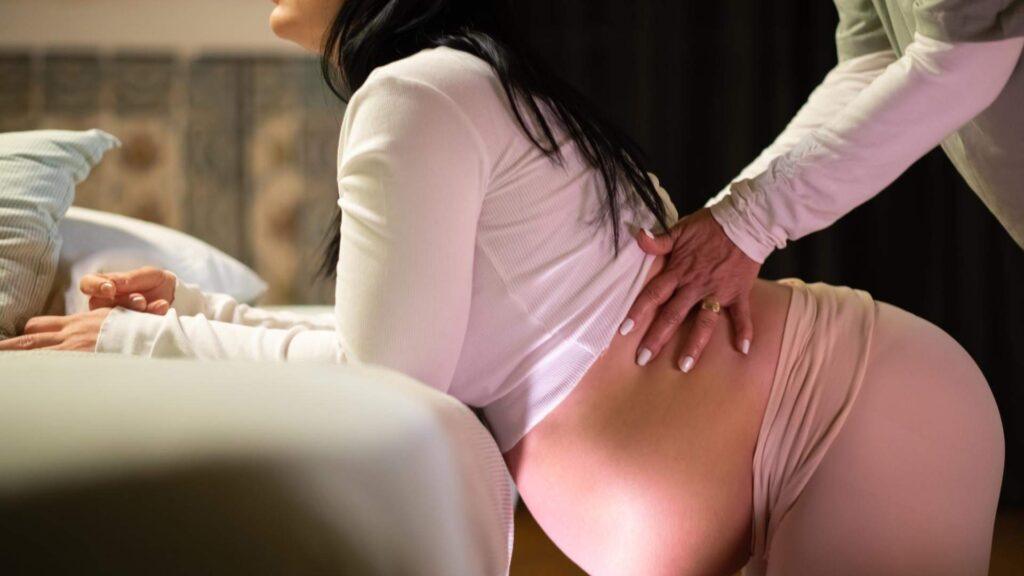
If you experience unusual pain, bleeding, fluid leakage, severe headache, or other concerning symptoms, contact your maternity care provider rather than arranging a massage.
What Does Scientific Research Say About Prenatal Massage?
A 2021 systematic review published in the Journal of Clinical Medicine examined 12 randomized controlled trials involving relaxation massage during pregnancy. The researchers reported potential improvements in stress, anxiety, depression, and back or leg pain among pregnant participants.
However, the review also identified limitations: the risk of bias was uncertain, and only two trials reported potential side effects in detail. The findings support further research rather than proving that massage is beneficial or suitable for every pregnancy.
A separate 2020 systematic review and meta-analysis included eight studies, seven of which were randomized trials. It found possible reductions in anxiety and depressive symptoms, but none of the included trials had a low risk of bias.
The practical conclusion: Research suggests that prenatal massage may support relaxation and comfort, but it should not be presented as a proven way to prevent pregnancy complications or guarantee better health outcomes.
Prenatal Massage at a Spa vs. At Home in Dubai
Both options can provide a relaxing experience. The better choice depends on your comfort, travel needs, and the availability of a suitably trained therapist.
| Factor | At a Spa | At Home |
| Environment | Dedicated spa setting | Familiar personal surroundings |
| Travel | Requires travelling | No travel required |
| Comfort | Depends on spa facilities | You can relax in your own space |
| Scheduling | Based on spa availability | Depends on home-service availability |
| Convenience | Suitable if you prefer visiting a spa | Useful when travelling feels tiring |
If you prefer a prenatal massage at home, confirm that the therapist has appropriate pregnancy-massage training and can provide safe positioning and suitable equipment.
How to Prepare for a Prenatal Massage Session
Before your appointment, consider these practical steps:
Speak with your healthcare provider: Ask whether massage is appropriate for your pregnancy, particularly if you have medical concerns.
Choose a trained therapist: Look for experience in pregnancy-specific massage techniques.
Share your pregnancy details: Explain your trimester, comfort concerns, medical conditions, and any restrictions.
Discuss pressure and positioning: A gentle approach and supported side-lying position are important.
Communicate throughout: Tell the therapist immediately if anything feels uncomfortable.
For mothers searching for prenatal massage in Dubai, these checks are more important than choosing a session based only on price or convenience.
Frequently Asked Questions
1. Why is prenatal massage important during the second trimester?
Prenatal massage may help expecting mothers relax and manage everyday muscle tension during the second trimester. It offers supportive wellness care, not a medical treatment.
2. Is prenatal massage safe at 20 weeks?
It may be suitable for women with uncomplicated pregnancies when performed by a properly trained therapist using pregnancy-appropriate techniques. Ask your healthcare provider if you have any concerns.
3. How often should you get a prenatal massage?
There is no universally established frequency. Some women prefer occasional sessions, while others discuss a regular schedule with their healthcare provider and therapist.
4. Can I get a prenatal massage at home in Dubai?
Yes, a home session can be an option if a suitably trained therapist provides pregnancy-appropriate positioning, pressure, and hygiene practices.
5. Who should avoid prenatal massage?
Women with certain pregnancy complications or concerning symptoms may need to avoid massage until medically assessed. Always seek advice from your maternity care provider if you are unsure.
6. What is the best position for a second trimester massage?
Side-lying with suitable pillow support is a commonly recommended position. The therapist should adjust the setup to maintain comfort throughout the session.
Enjoy a More Relaxing Pregnancy with Revivers Home Spa
The second trimester can be a good opportunity to give more attention to your physical comfort and emotional wellbeing. Understanding why prenatal massage is important during second trimester helps you make an informed decision based on your needs, medical advice, and personal comfort.
If you are considering a relaxing home massage in Dubai, Revivers Home Spa offers a convenient way to explore at-home wellness. Whether you are in Al Barsha, Downtown Dubai, Business Bay, JVC, or Jumeirah, ask about service availability and make sure your pregnancy stage and any healthcare restrictions are discussed before booking.
Your comfort matters. Choose a gentle, informed approach that respects both you and your growing baby.
Share
Related posts