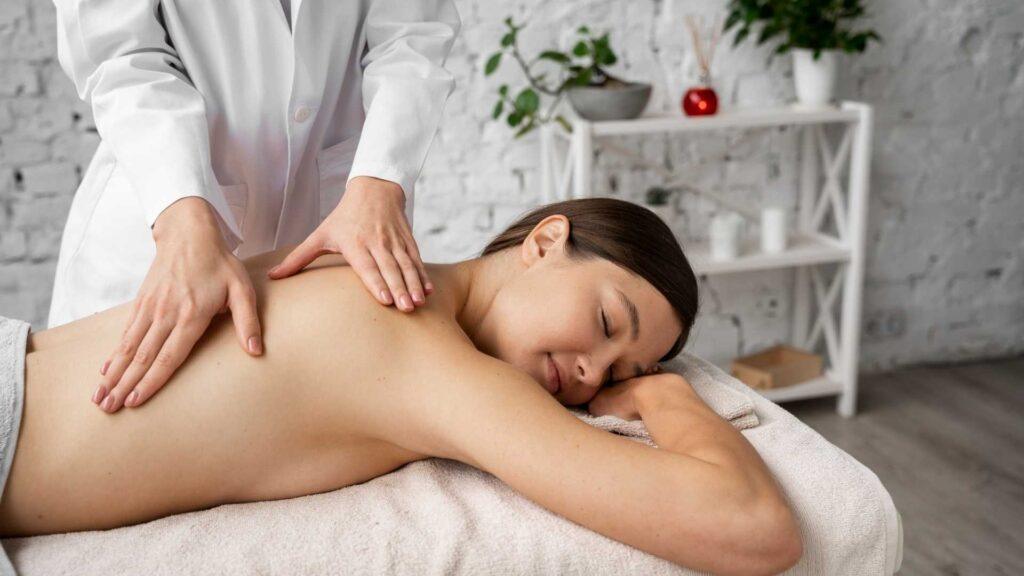
Pregnancy and childbirth can leave the body feeling completely different. Lower-back discomfort, neck tension, muscular fatigue, stiffness, and general physical stress are common reasons new mothers explore massage and complementary therapies. But is cupping massage effective after pregnancy?
The short answer is: it may help some postpartum women with muscular and pain-related discomfort, but it should be used selectively and only after appropriate postpartum recovery and professional assessment. Current research is promising for pain management, although evidence specifically involving postpartum women remains limited.
Is Cupping Massage Effective After Pregnancy? What Does the Evidence Say?
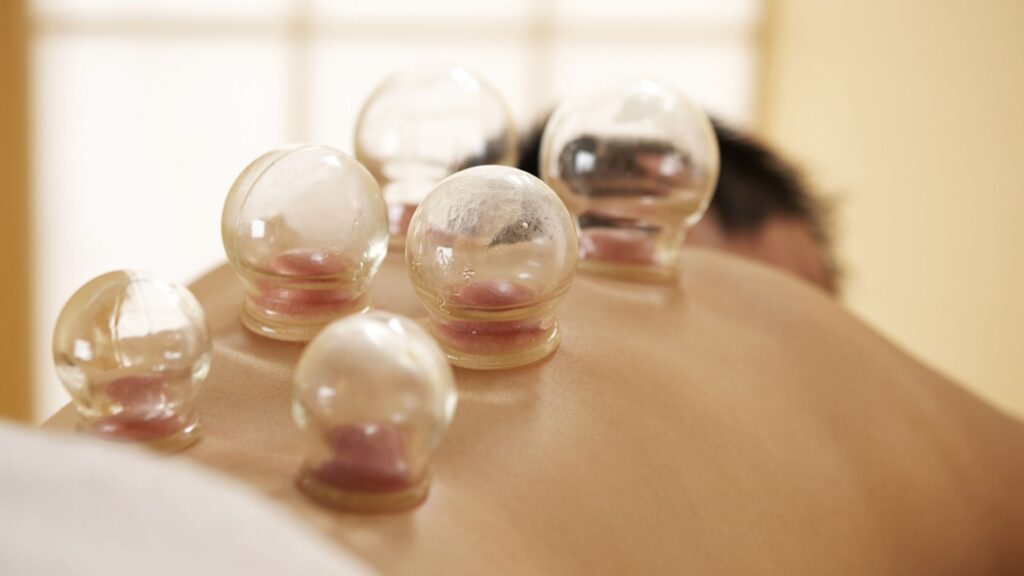
Cupping uses controlled suction on the skin and underlying soft tissues. In a massage setting, cups may be moved across muscles rather than left stationary. The proposed effects include temporary changes in local blood flow, sensory stimulation and relaxation of tight tissues.
Importantly, cupping should not be marketed as a treatment that “removes toxins,” melts postpartum fat or heals every postpartum condition. Its most reasonable wellness application is as a complementary therapy for muscular discomfort and relaxation.
10 Clinical Evidence Sources Worth Knowing
1. Postpartum perineal pain clinical trial
A trial involving 150 postpartum women compared dry cupping, acupressure and control treatment. Cupping was investigated specifically for pain occurring after delivery, making this particularly relevant to postpartum discussions.
2. 2024 low-back-pain meta-analysis:
Eleven randomized trials involving 921 participants found significant short-term improvements in pain with cupping, although long-term effects were less certain.
3. 2017 low-back-pain meta-analysis:
Six randomized controlled trials found improvements in pain and disability compared with control interventions, while the researchers also highlighted heterogeneity and risk-of-bias limitations.
4. 2022 systematic review:
Ten studies involving 690 patients found reductions in low-back-pain intensity, particularly with wet cupping, but substantial heterogeneity limited certainty.
5. 2025 chronic musculoskeletal-pain meta-analysis:
A review of randomized trials reported a significant reduction in pain intensity, with moderate-quality evidence, although considerable statistical heterogeneity remained.
6. 2026 chronic-neck-pain meta-analysis:
Nine randomized trials involving 401 participants reported significant improvements in pain and functional disability, with no serious adverse events reported in the included trials.
7. Neck-pain systematic review:
An analysis of 18 randomized controlled trials found improvements in pain, function and quality of life, although the authors cautioned that evidence quality limited definitive conclusions.
8. Cupping-massage randomized trial:
Fifty patients with chronic non-specific neck pain received five cupping-massage sessions. The intervention group experienced significantly less neck pain and improved functional outcomes after treatment.
9. Dry-cupping systematic review:
Twenty-one randomized trials involving 1,049 participants found some evidence for improvements in chronic neck and low-back pain, but the overall evidence ranged from low to moderate quality.
10. Chronic neck-and-shoulder pain trial:
A randomized clinical study investigated cupping for chronic neck and shoulder pain, adding evidence to the broader musculoskeletal research base.
Together, these studies create a useful Postpartum Cupping Evidence Framework: pain → muscle tension → function → recovery context.
When Can Cupping Massage Be Considered After Pregnancy?
The timing matters. A new mother should first consider her delivery type, healing status, symptoms and medical history.
For uncomplicated recovery, a qualified therapist may consider gentle massage-based cupping after appropriate postpartum clearance. Following a C-section, treatment should never be performed directly over a healing incision or surrounding tissue until medically appropriate.
Women experiencing persistent bleeding, infection, unexplained severe pain, wound complications, fever, blood-clot concerns or other postpartum complications should seek medical assessment rather than relying on massage.
Potential postpartum wellness benefits
Depending on the individual, professionally performed cupping massage may support:
Postpartum muscle tension relief.
Lower back discomfort.
Neck and shoulder relaxation.
Muscle recovery after pregnancy.
Improved relaxation and stress management.
Temporary relief from muscular stiffness
General postnatal wellness.
These benefits should be described as potential or supportive not guaranteed medical outcomes.
Is Cupping Massage Safe for New Mothers?
Safety depends heavily on timing, technique and the mother’s health status.
A professional therapist should take a postpartum history before treatment and avoid vulnerable areas. Wet cupping requires additional infection-control considerations because it involves skin penetration and blood exposure. For a wellness-focused cupping massage, gentle dry cupping is generally the more relevant technique.
A responsible therapist should also explain that circular marks can remain temporarily. Stronger suction does not automatically mean better results.
Why Choose Professional Home Cupping Massage in Dubai?
For new mothers in Dubai, leaving home for a wellness appointment can sometimes be inconvenient. A carefully planned home session can offer a more comfortable environment while allowing the therapist to adapt the treatment to the client’s current condition.
At Revivers Home Spa, clients in Al Barsha, Downtown Dubai, Business Bay, JVC, Dubai Marina and Jumeirah can seek a personalized home-spa experience focused on comfort rather than aggressive treatment.
For postpartum clients, the priority should always be safe positioning, appropriate pressure, professional communication and individualized treatment planning.
What Can a Postpartum Cupping Session Look Like?
A professional session may follow this sequence:
1: Consultation: The therapist asks about delivery type, recovery, pain areas and relevant medical concerns.
2: Treatment planning: Sensitive or inappropriate areas are excluded.
3: Gentle preparation: The therapist prepares the muscles with suitable massage techniques.
4: Controlled cupping: Cups are applied with carefully selected suction and duration.
5: Recovery: The therapist checks comfort and explains normal temporary skin marks.
6: Aftercare: Hydration, gentle movement and observation are encouraged according to the individual’s needs.
This personalized process is more valuable than a one-size-fits-all protocol.
FAQ: Cupping Massage After Pregnancy
Can I have cupping massage after giving birth?
Potentially, but timing depends on delivery type, healing and individual health. Professional assessment and appropriate postpartum clearance are important.
Does cupping reduce postpartum belly fat?
No. Cupping should not be promoted as a fat-burning treatment. Any temporary change in appearance may relate to fluid movement or tissue effects rather than actual fat loss.
Can cupping help postpartum back pain?
Research in general adult populations suggests cupping can reduce some forms of low-back pain, particularly over the short term. However, postpartum-specific evidence is much more limited.
Is cupping suitable after a C-section?
It may be considered later in recovery, but never directly over a healing surgical incision without appropriate medical clearance. A therapist should adapt the treatment to the mother’s recovery.
How often should postpartum cupping be done?
There is no scientifically established universal postpartum schedule. Frequency should depend on symptoms, recovery status, therapist assessment and response to treatment.
Final Verdict
So, is cupping massage effective after pregnancy? The most evidence-based answer is potentially yes for selected pain and muscular symptoms, particularly postpartum low-back discomfort but it is not a universal postpartum treatment.
The strongest approach combines evidence, timing and personalization. Clinical studies provide encouraging signals, but responsible therapists should never promise guaranteed results.