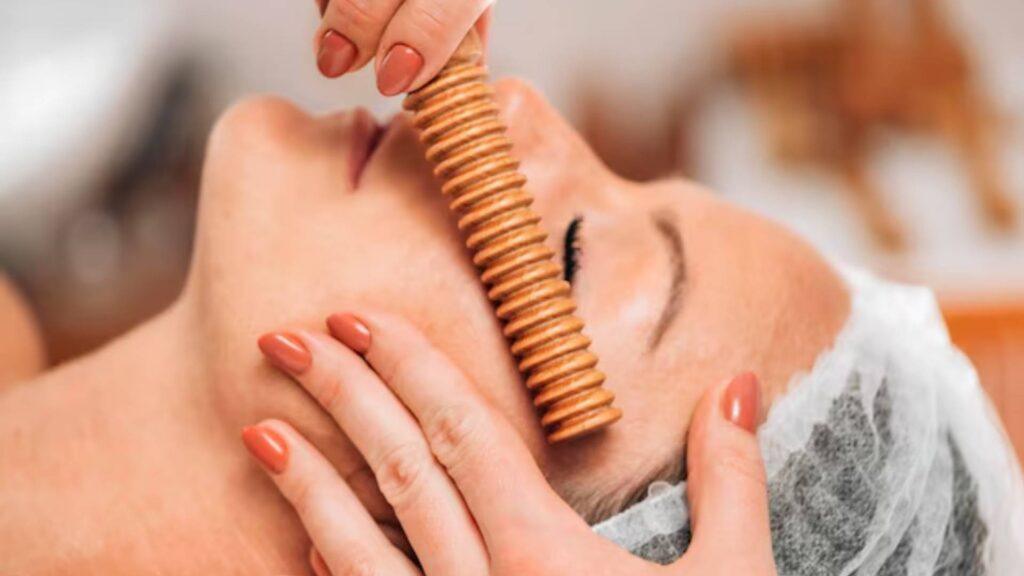
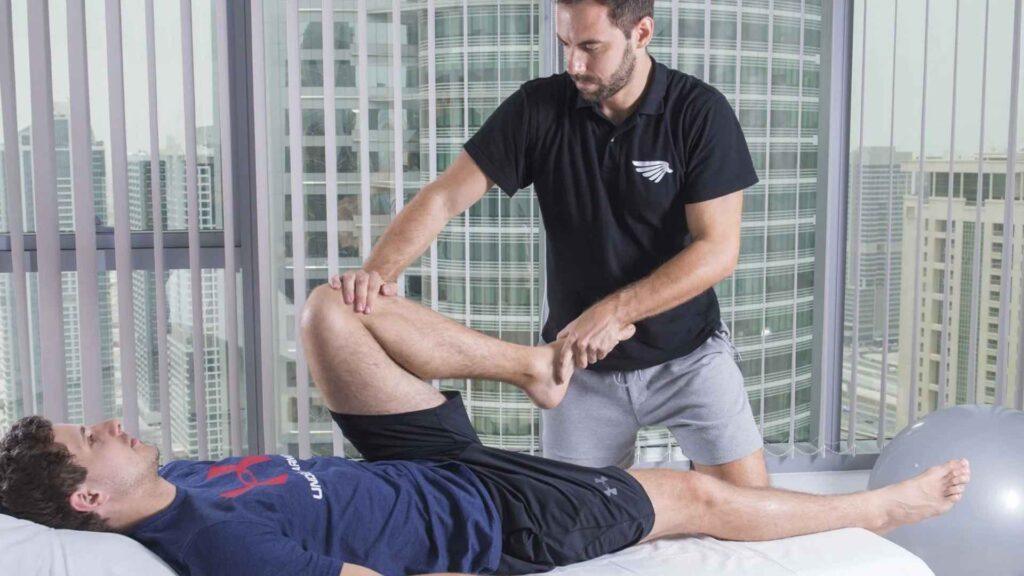
Athletes often ask about sports massage vs. physiotherapy when soreness, tightness, reduced mobility, or an old training problem starts affecting their routine. But the real question is not simply which treatment is better. It is which treatment matches your current goal. Sports massage is commonly used for recovery, relaxation, and post-exercise soreness, while physiotherapy is more focused on assessment, rehabilitation, movement restoration, and managing injuries.
Sports Massage vs. Physiotherapy: What Is the Difference?
The simplest distinction is this: sports massage primarily uses hands-on soft-tissue techniques to support muscular recovery and relaxation, whereas physiotherapy is a broader healthcare discipline that can include clinical assessment, exercise therapy, rehabilitation, education, and other interventions.
For an athlete who has completed a demanding workout and mainly wants help with muscle soreness massage, tightness, or relaxation, massage may fit the immediate goal.
For someone with persistent pain, restricted function, a diagnosed injury, or a need to rebuild strength and movement after injury, physiotherapy may be the more appropriate pathway.
Neither treatment automatically replaces the other.
What Does Sports Massage Actually Do?
Sports massage is commonly incorporated into an athlete’s recovery routine. Depending on the session, a therapist may work on muscles experiencing post-training tension and perceived soreness.
Evidence is useful here. A systematic review and meta-analysis covering 29 studies and 1,012 participants found no evidence that massage directly improves strength, jumping, sprinting, endurance, or fatigue. However, it found small improvements in flexibility and delayed-onset muscle soreness.
That makes the most defensible role of sports massage recovery support, rather than promising a direct performance boost.
When Is Sports Massage the Better Fit?
Sports massage in Dubai may make more sense when your primary objective is:
Reducing perceived post-workout soreness.
Supporting muscle relaxation.
Managing everyday muscle tightness.
Complementing an existing fitness program.
Supporting active recovery.
Enjoying a convenient wellness session.
Recovering after demanding training.
Maintaining a regular sports recovery routine.
A 2017 systematic review and meta-analysis involving 504 participants found that massage reduced reported delayed-onset muscle soreness at 24, 48, and 72 hours after strenuous exercise.
That does not mean every athlete will experience the same result. It means there is reasonable evidence for a specific recovery benefit.
When Is Physiotherapy the Better Fit?
Physiotherapy becomes more relevant when the problem requires assessment and rehabilitation rather than relaxation alone.
Consider physiotherapy when you have:
A diagnosed sports injury.
Persistent or worsening pain.
Significant weakness.
Reduced joint function.
Difficulty returning to sport.
A post-surgical rehabilitation requirement.
A need for progressive strength and conditioning.
Movement problems requiring clinical assessment.
For example, an athlete recovering from an ACL injury may need structured rehabilitation involving strength, balance, movement retraining, and progressive return-to-sport testing. A massage session alone cannot provide that complete rehabilitation pathway.
A Simple Athlete Decision Framework
Think about your situation using the RECOVER Decision Framework:
Reason: Why are you seeking treatment?
Evaluate: Is this ordinary post-training soreness or persistent pain?
Condition: Do you have a diagnosed injury?
Objective: Do you want relaxation, recovery, mobility support, or rehabilitation?
Verify: If symptoms are unusual or severe, obtain appropriate clinical assessment.
Exercise: Continue appropriate training and rehabilitation rather than relying on passive treatment alone.
Recovery: Use massage as one component of a broader recovery strategy when appropriate.
This prevents one common mistake: treating every form of athletic discomfort as though it requires the same intervention.
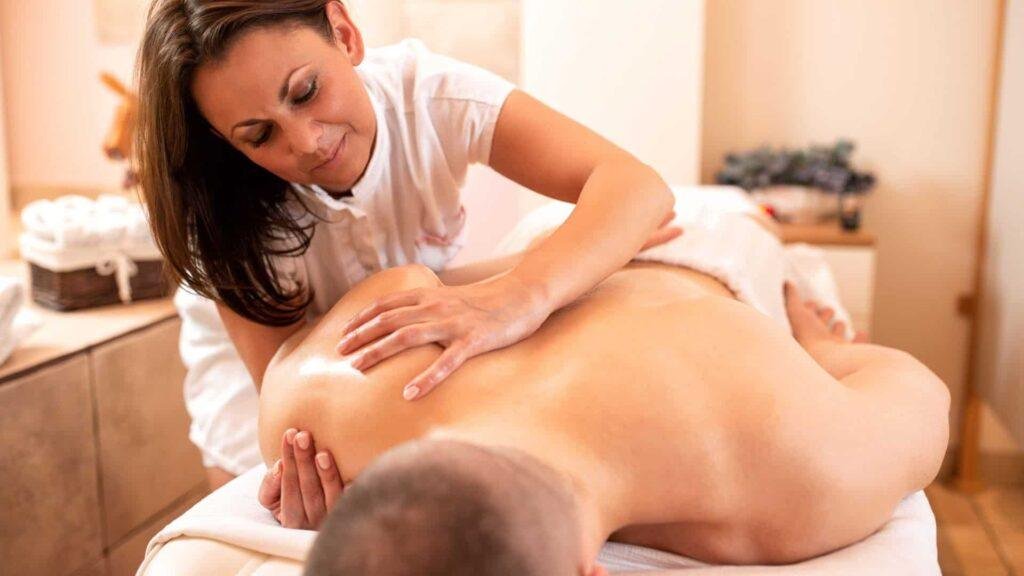
Sports Massage vs. Physiotherapy for Common Athlete Goals
For post-workout soreness
Sports massage may be appropriate when the main issue is ordinary exercise-related soreness and the athlete has no warning signs of injury.
For an acute injury
Physiotherapy or medical assessment may be more appropriate, depending on the injury. Massage should not be used to conceal symptoms that require diagnosis.
For relaxation after training
Sports massage can be a practical option, particularly for athletes who want home sports massage after a demanding session.
For rehabilitation
Physiotherapy generally has the broader role because rehabilitation can require progressive exercises, functional testing, education, and return-to-sport planning.
For long-term wellness
Either approach may have a role, but the objective should determine the choice rather than the assumption that one treatment is universally superior.
What Athletes in Dubai Should Consider
Dubai athletes have increasingly varied training routines, from gym sessions in Al Barsha to padel in JVC, running around Jumeirah, football training, and fitness programs near Downtown Dubai and Business Bay.
Convenience can influence recovery consistency.
Revivers Home Spa provides sports massage in Dubai at home, allowing clients to receive a personalized massage without travelling to a spa after training. The company states that its therapists bring the required setup to the client’s home, hotel, or private space.
For someone searching for sports massage near me, an at-home model can be particularly useful when the objective is post-training recovery rather than clinical rehabilitation.
What Does the Evidence Actually Say?
A 2023 systematic review examined 114 articles on massage and sports/exercise performance. The researchers found that massage generally did not improve motor abilities apart from flexibility, but several studies reported reductions in pain and DOMS and improvements in perceived recovery, relaxation, mood, stress, and anxiety.
The authors also concluded that using massage simply to improve athletic performance is questionable, while its indirect role in recovery and psychological wellbeing may be useful.
This distinction is important for trustworthy sports wellness marketing.
Massage can support recovery without being presented as a cure, injury treatment, or guaranteed performance enhancer.
Can Athletes Combine Sports Massage and Physiotherapy?
Yes, when appropriate.
An athlete may receive physiotherapy for a diagnosed injury and use sports massage separately for general muscular recovery. The two approaches can serve different purposes.
For example, a runner rehabilitating a knee problem may follow a physiotherapist-designed exercise program while using massage for surrounding muscular tension if the healthcare professional considers it appropriate.
Communication matters. If you are under active rehabilitation, tell your massage therapist about your diagnosis, restrictions, and current treatment plan.
FAQs about Sports Massage vs. Physiotherapy
Is sports massage better than physiotherapy for athletes?
Not universally. Sports massage may be more suitable for recovery, muscular soreness, relaxation, and wellness, while physiotherapy is generally more appropriate for assessment and rehabilitation of injuries.
Can sports massage replace physiotherapy?
No. Massage should not replace physiotherapy when an athlete needs injury assessment, rehabilitation, progressive exercise, or return-to-sport planning.
How often can athletes have sports massage?
There is no universal schedule. Frequency should depend on training load, soreness, goals, individual response, and whether the athlete is currently injured.
Is sports massage safe?
For many healthy adults, massage is generally well tolerated, but it is not appropriate for every situation. Severe unexplained pain, significant swelling, suspected fracture, acute trauma, neurological symptoms, or other concerning symptoms warrant appropriate medical evaluation.
Can I get sports massage at home in Dubai?
Yes. Revivers Home Spa offers home-based massage services in Dubai, making it possible to receive sports massage in your own space after training.
What should I expect during a sports massage?
Expect a discussion of your activity and areas of concern, followed by targeted hands-on techniques. Pressure should be adjusted to your condition and comfort rather than assuming that stronger pressure is always better.
Why Revivers Home Spa?
Athletes deserve a recovery experience built around their actual needs not a generic massage routine. Revivers Home Spa combines the convenience of home massage in Dubai with sports-focused treatment, allowing active clients to recover in their own environment after demanding training.
Whether you train in Al Barsha, live around JVC, work in Business Bay, or spend your weekends around Jumeirah and Downtown Dubai, an at-home session can make recovery easier to fit into a busy athletic lifestyle.
The smartest approach is not choosing a treatment because it sounds stronger. It is choosing the treatment that matches the problem. If your goal is post-training recovery, muscular relaxation, and a convenient wellness experience, book a personalized sports massage with Revivers Home Spa and make recovery a deliberate part of your athletic routine.
Share
Related posts